
WOOL: A FIBER WITH 8,000 YEARS OF HISTORY THAT CONTINUES TO LOOK TO THE FUTURE
At SONMO, we believe that understanding a material also means understanding the territory from which it originates. In our latest SONMO Dialogues, art historian and textile heritage specialist Silvia Carbonell invited us to rediscover wool from a historical, scientific, and cultural perspective.
Although today wool is usually associated only with winter clothing, for over eight thousand years it has been one of the materials that has most transformed landscapes, economies, and daily life. From the domestication of sheep to the development of textile cities, this natural fiber has accompanied the evolution of societies and continues to be a resource of immense value.

As Silvia Carbonell explained, wool is a universal material. Its keratin structure allows it to regulate body temperature, absorb and release moisture, naturally resist fire, recover its shape after use, and be completely biodegradable. These properties make it one of the most extraordinary natural fibers available. "This is magic," she commented when explaining how wool naturally regulates temperature and humidity.
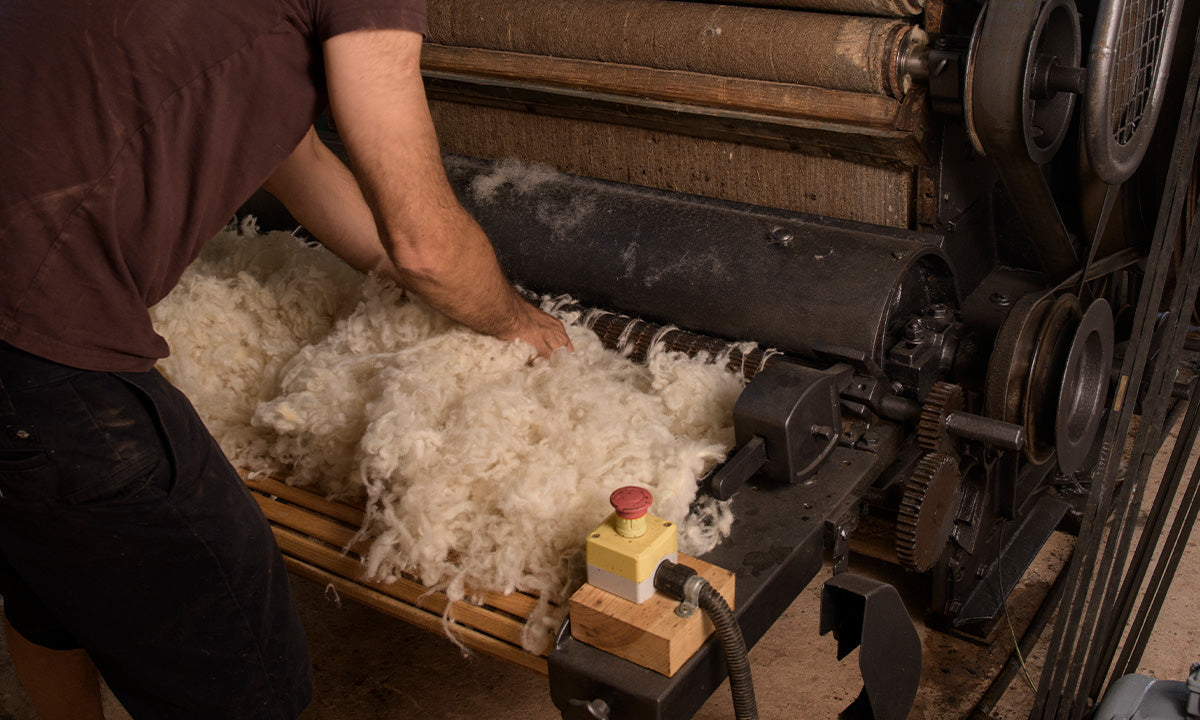
But the talk went far beyond its properties. She also highlighted all the knowledge behind wool: sheep farming, shearing, fleece classification, spinning, weaving, and the trades that have built European textile heritage for generations.
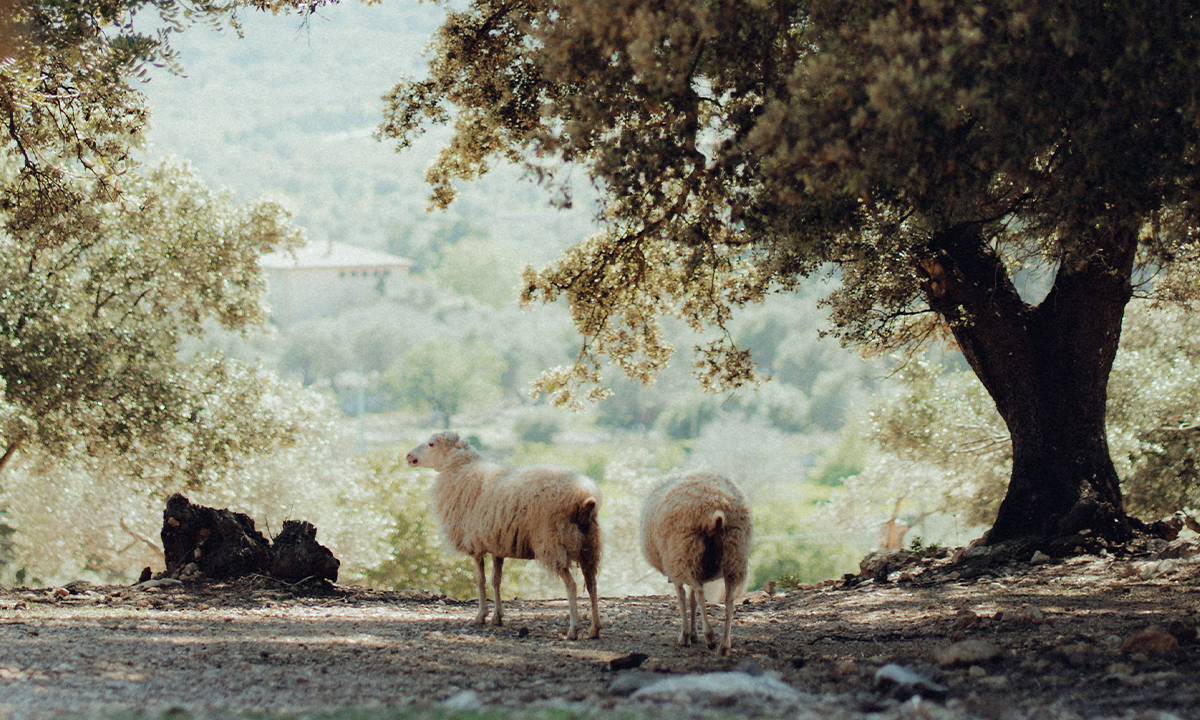
At SONMO, this reflection is part of our daily life. We work to recover Mallorcan sheep's wool, collaborating with farmers, artisans, and specialists to restore value to a local resource that for years was no longer utilized. Transforming this fiber into contemporary objects also means preserving knowledge, strengthening the local economy, and keeping alive a landscape that depends, in part, on grazing.

Silvia also recalled one of the great challenges of the current textile industry: we produce much more than we actually use. Faced with this model, recovering natural materials like wool means opting for more conscious, durable, and territorially connected processes.
Perhaps that was one of the most valuable ideas from the conversation: wool is not just a fabric. It is a material that connects nature, culture, and innovation. Recovering it doesn't mean looking to the past with nostalgia, but discovering solutions that continue to make sense for the future.
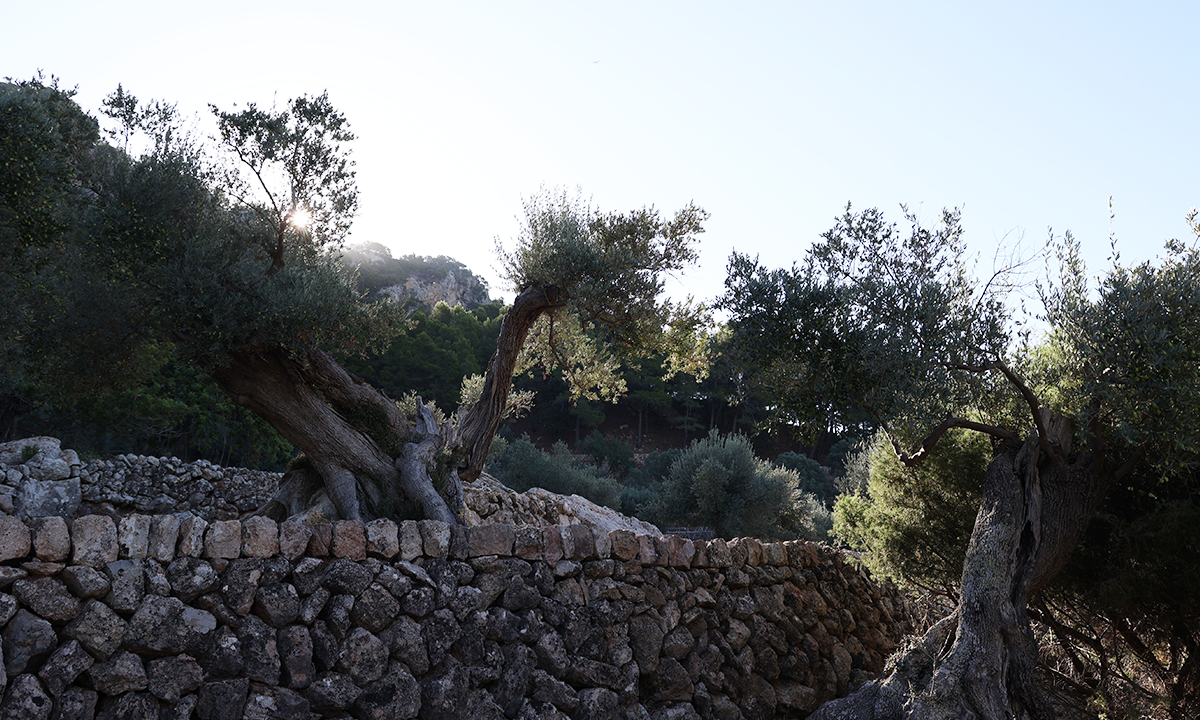
At SONMO, we believe that this future begins precisely there: by recovering the materials, trades, and knowledge that have always been part of the Tramuntana to show that tradition and innovation can go hand in hand.
Photography: Laura Donath